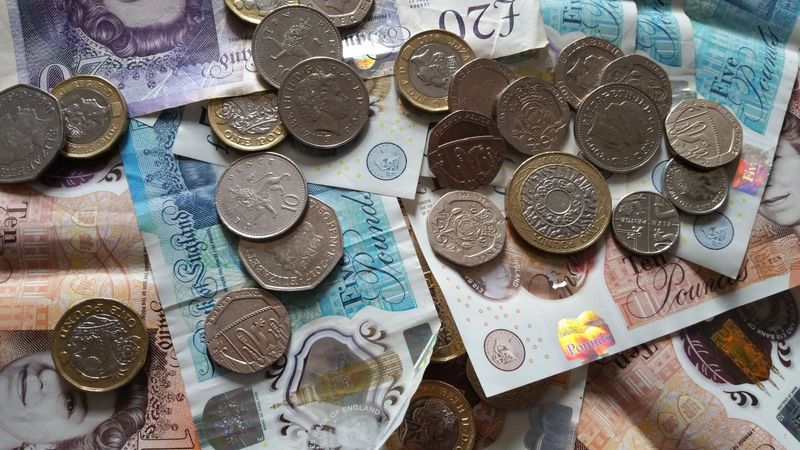
For many of us in the UK, Ramadan and Eid aren't just about personal reflection and celebration. They're also a time when we send money home: to parents, grandparents, siblings, or charities supporting communities overseas. It's a beautiful tradition, but it can put real pressure on your finances if you haven't planned for it.
The good news? A bit of early preparation can mean you get to be generous and keep your own finances steady. No stress, no scrambling, no dipping into your emergency fund at the last minute. Let's walk through how to do it.
Why Festival Money Transfers Deserve Their Own Budget Line
It's easy to think of Ramadan and Eid spending as one-off costs that'll somehow sort themselves out. But between Zakat, Eid gifts, new clothes, food for gatherings, and money sent abroad to family, the costs add up quickly, often across several weeks rather than a single pay day.
Treating festival transfers as a proper budget category, rather than an afterthought, means you're less likely to:
- Use a credit card or overdraft you didn't plan to touch
- Raid savings meant for something else
- Feel resentful or stretched thin during what should be a joyful time
Think of it the same way you might think about Christmas or a big birthday: predictable, recurring, and worth planning for months in advance.
Start With What You Can Actually Afford
Before anything else, be honest with yourself about the numbers. This isn't about being less generous. It's about being generous sustainably, year after year.
Work Out Your Festival "Giving Budget"
Try this simple exercise:
- List your essential outgoings for the weeks around Ramadan and Eid (rent or mortgage, bills, food, transport, debt repayments).
- Subtract these from your income for that period to see what's genuinely spare.
- Decide what portion of that spare amount you're comfortable sending home or giving as Zakat, Sadaqah, or Eid gifts.
If you're not sure where your money is actually going each month, this is a good moment to track your spending properly for a few weeks. Genwel's budgeting tools can help you see exactly what's coming in and out, so your festival giving comes from a realistic number, not a hopeful guess.
Separate "Must Send" From "Would Like to Send"
It helps to split your festival money into two categories:
- Committed amounts: Zakat (which has specific calculation rules many people follow based on their savings and assets), regular family support, or charitable pledges you've already made.
- Flexible amounts: Eid gifts, extra spending money for family, or additional charitable giving if funds allow.
Keeping these separate means that if money is tighter than expected, you know exactly where there's room to adjust without missing commitments that matter most to you.
Plan Ahead: Little and Often Beats Last-Minute Panic
One of the simplest ways to avoid financial strain is to start saving for Ramadan and Eid well before the month begins, rather than finding the money all at once.
Set Up a Dedicated Savings Pot
Many UK banking apps and budgeting tools let you create separate savings "pots" or categories. Setting one up specifically labelled "Ramadan/Eid Transfers" months in advance means you can drip-feed money in gradually, say, a set amount each payday, so the final total doesn't feel like a shock.
If you've read our guide on [saving for your first car](#), you'll recognise the principle: small, regular contributions are far less painful than one big lump sum.
Build In a Buffer for Exchange Rate Changes
If you're sending money to family abroad, exchange rates can shift between when you plan your transfer and when you actually send it. Building in a small buffer, even just 5-10% extra in your mental budget, means a less favourable rate on the day doesn't throw your whole plan off.
Choosing How You Send Money Safely
When it comes to actually transferring money abroad, it's worth taking a moment to protect yourself, especially during busy festival periods when scammers know people are sending money more frequently.
Stick to Authorised Firms
In the UK, nearly all financial service providers, including money transfer firms, must be authorised or registered by the [Financial Conduct Authority (FCA)](https://www.fca.org.uk/consumers/your-rights-financial-services). Using an authorised firm means you're much more likely to be protected if something goes wrong, and these firms must meet FCA standards around treating customers fairly.
Before using a new transfer service, it's worth checking they're properly authorised using the FCA's Firm Checker tool.
Watch Out for Money Transfer Scams
Sadly, Ramadan and Eid are peak times for fraudsters, precisely because so many of us are sending money with good intentions. The [FCA warns specifically about money transfer scams](https://www.fca.org.uk/consumers/money-transfer-scams), where criminals may ask you to receive and forward money on their behalf, sometimes disguised as charity work or an "easy" side job. Taking part, even unknowingly, could make you a "money mule" and carries serious legal consequences.
A few practical safeguards:
- Never agree to receive money on behalf of someone you don't know, even if it's framed as helping a charity or earning quick commission.
- Be cautious of unsolicited offers promising to speed up or cheapen your transfer, particularly via social media.
- Keep records of every transfer: reference numbers, dates, amounts, and the exchange rate used. Payment firms are legally required to give you this information clearly.
Know What to Do If Something Goes Wrong
If a payment services or money transfer firm hasn't met its obligations, for example, failing to refund an unauthorised payment or not responding to your complaint within a reasonable timeframe, you can [report the firm directly to the FCA](https://www.fca.org.uk/consumers/how-complain/report-payment-services-e-money-firm). It's worth keeping this in mind, just in case.
Practical Tips for Keeping Festival Spending On Track
Compare Transfer Costs Before You Send
Transfer fees and exchange rates vary between providers. Even small differences can add up when you're sending money multiple times across Ramadan and Eid. Take ten minutes to compare a couple of regulated options before committing, rather than defaulting to habit.
Avoid Borrowing to Fund Generosity
If covering festival costs means reaching for a credit card, payday loan, or overdraft you can't comfortably clear, it's worth pausing. Generosity shouldn't come at the cost of your own financial stability. If you're worried about debt building up, free, confidential guidance is available through [MoneyHelper](https://www.moneyhelper.org.uk) or Citizens Advice, both independent of any lender and genuinely free to use.
Talk Openly With Family
If you send money home regularly, a quick conversation about what's realistic this year, especially if your own circumstances have changed, can prevent awkwardness later. Most families understand that budgets shift year to year.
Review After the Fact
Once Eid has passed, take a few minutes to look back: Did you stick to your planned amount? Were there unexpected costs? This small review makes next year's planning even easier, and pairs well with our broader guide on building a monthly budget that actually sticks.
A Season of Giving, Without the Financial Hangover
Ramadan and Eid are about connection, generosity, and gratitude, not financial stress. By setting a realistic giving budget, saving gradually in the months beforehand, and using safe, FCA-authorised channels to send money abroad, you can take part fully in these traditions without compromising your own financial footing.
If you're ever unsure about a specific money transfer provider, a complex Zakat calculation, or how festival spending fits into your wider financial picture, there's no shame in asking for help. Services like [MoneyHelper](https://www.moneyhelper.org.uk) offer free, impartial guidance, and a regulated financial adviser can help with anything more complex.
Here's to a Ramadan and Eid that's generous, meaningful, and financially stress-free.