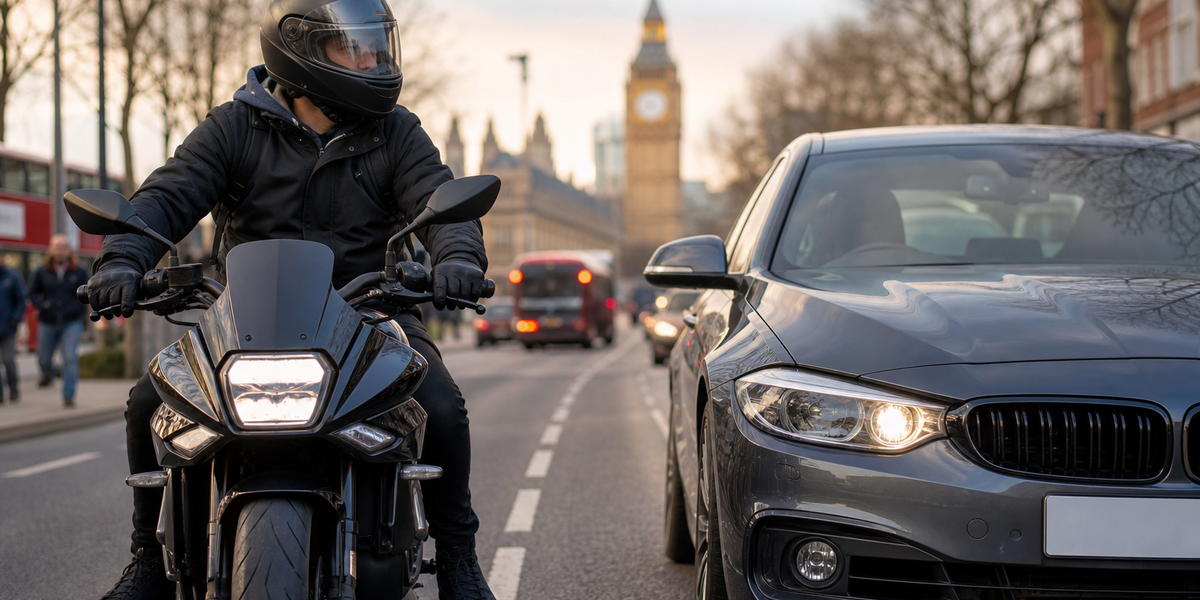
If your daily commute is eating into your budget faster than you can say "fuel prices," you're not alone. Between petrol, parking, insurance and the general cost of keeping a car on the road, many of us are looking for ways to cut our transport costs without giving up our independence. For some people, that means thinking seriously about a motorbike or scooter instead.
Before you start browsing listings, it's worth saying clearly: this is general financial information to help you think through the numbers, not personalised advice. Whether a motorbike makes sense for you depends on your own circumstances, including your commute, your risk tolerance and your budget. If you're considering any kind of finance agreement to buy a vehicle, it's worth understanding your rights as a consumer, including what to expect from lenders and how to complain if something goes wrong, which you can read about on the [FCA's consumer rights page](https://www.fca.org.uk/consumers/your-rights-financial-services).
Why Consider a Motorbike for Commuting?
Motorbikes and scooters appeal to commuters for a few practical reasons:
- Parking is often cheaper or free in places where car parking is expensive or scarce.
- Fuel efficiency tends to be better than a car, since bikes are lighter and smaller.
- Filtering through traffic can cut journey times in congested cities.
But cheaper isn't guaranteed. Motorbikes come with their own costs, some of which can genuinely surprise new riders, especially around insurance and protective gear. Budgeting properly before you commit is the best way to avoid an unpleasant shock a few months in.
The Real Cost of Running a Motorbike
Buying the Bike
New or used, this is usually your biggest upfront decision. A used bike from a private seller might be cheaper, but you lose some of the consumer protections that come with buying from a dealer. If you're paying by bank transfer to a private seller, be extra cautious. Fraudsters sometimes exploit vehicle sales to move money illegitimately, and you could unknowingly become involved in a scam if you're asked to send or receive money in an unusual way. The [FCA's guide to money transfer scams](https://www.fca.org.uk/consumers/money-transfer-scams) is worth a read before any private sale, car or bike, goes ahead.
If you're financing the purchase through a loan or hire purchase agreement, check that the lender is authorised. Authorised firms have to meet certain standards around treating you fairly and handling complaints properly, as set out by the FCA.
Insurance
This is often the part that catches new riders out. Motorbike insurance premiums can vary enormously depending on factors like the size and power of the bike, your age and experience, where you live, your no-claims history, and how you'll be using the bike (commuting, leisure, or both). It's genuinely worth getting several quotes before assuming a bike will be cheaper to insure than a car, because for younger or newer riders, it sometimes isn't.
Tax, MOT and Servicing
Like cars, motorbikes need to be taxed (unless exempt) and most need an MOT once they reach a certain age. Servicing costs vary depending on the bike's size, age and condition, and some bikes need more frequent chain, tyre or brake maintenance than others. Build a realistic servicing allowance into your monthly budget rather than treating it as a surprise expense.
Fuel and Running Costs
Motorbikes are often more fuel-efficient than cars, which can mean real savings on a daily commute, particularly for shorter journeys. That said, smaller engines used mainly in towns will use fuel differently to a bike ridden on faster roads, so it's worth being realistic about your own commute rather than assuming the figures you see quoted online will match your experience exactly.
Protective Gear and Ongoing Costs
This is the cost that's easy to forget. A proper helmet, jacket, gloves, trousers and boots are a safety essential, not optional extras, and good quality gear isn't cheap. Factor this into your one-off setup costs, along with things like a bike cover, lock, or secure storage if you don't have off-street parking.
Motorbike vs Car: Comparing the Budget
There's no single answer to which is cheaper, because it depends heavily on your situation. Broadly, think about these trade-offs:
- Upfront cost: A used scooter or small motorbike can sometimes be bought more cheaply than a used car, but not always, especially once you add protective gear.
- Insurance: This can go either way. Young or inexperienced riders sometimes find bike insurance surprisingly high.
- Running costs: Bikes often win here on fuel and parking.
- Practicality: Cars can carry passengers, shopping and cope with bad weather far more easily. If your commute involves school runs, bulky equipment or multiple passengers, a bike may not be realistic.
- Weather and safety: Riding in British weather, especially through winter, is a genuine consideration both for comfort and safety.
If you're weighing this up alongside other transport costs, like whether to learn to drive in the first place, our guide on [budgeting for driving lessons, theory tests and your first car insurance](https://genwel.app/blog/driving-lessons-budget) covers the car side of this comparison in more detail.
Licence and Training Costs
Before you can ride most motorbikes or scooters on the road, you'll typically need to complete some form of training and hold the right licence category for the size of bike you want to ride. Requirements vary depending on your age and the bike's engine size, and they can change over time, so it's worth checking the current rules directly on GOV.UK rather than relying on what a friend or forum post tells you. Budget for the training course itself as a one-off cost, separate from your ongoing running costs.
Buying Privately? Watch Out for Scams
Private sales can save you money, but they also carry more risk than buying from a registered dealer. A few sensible precautions:
- Never agree to send money upfront for a bike you haven't seen or verified.
- Be wary if a seller asks you to transfer money to a third party or an unfamiliar account.
- Meet in a safe, public place and bring someone with you if possible.
- Check the vehicle's history (previous owners, outstanding finance, MOT history) before handing over any money.
If something about a transaction feels off, trust that instinct. The [FCA's guidance on money transfer scams](https://www.fca.org.uk/consumers/money-transfer-scams) explains how these scams typically work and how to protect yourself.
Building a Realistic Monthly Budget
Once you've got a sense of the costs involved, it's worth laying them out properly rather than guessing. Try breaking it down into:
- One-off costs: bike purchase, protective gear, training, initial insurance deposit.
- Monthly or annual costs: insurance, tax, servicing allowance, fuel.
- Emergency buffer: set aside something for unexpected repairs. Bikes, like cars, can throw up surprise costs.
Using a budgeting app can make this much easier to track, especially in the first few months when you're still learning what your actual running costs look like versus your estimates. If you're also juggling irregular income, perhaps from shift work, our guide to [budgeting when you're on a zero-hours contract](https://genwel.app/blog/zero-hours-budgeting) has useful tips on building flexibility into your budget that apply here too.
When It Might Not Be the Right Choice
A motorbike won't suit everyone, and that's worth being honest about. If you regularly need to carry passengers or cargo, commute long distances in all weathers, or you're not confident riding in traffic, a car (or public transport) may genuinely work out better for your situation, even if the headline running costs look higher.
If you're considering taking out finance to buy a bike or car, and you're unsure whether it's the right financial decision for you, it's worth speaking to a free, impartial service like MoneyHelper, or a regulated financial adviser, before committing. These decisions carry real financial risk, and getting independent guidance costs nothing.
Final Thoughts
Swapping a car for a motorbike can genuinely cut your commuting costs, particularly around fuel and parking, but it's not automatically the cheaper option for everyone. The only reliable way to know is to do the maths properly: add up the one-off costs, the ongoing costs, and the costs that are easy to forget, like protective gear and servicing.
Take your time, get real insurance quotes before you buy, and build a budget that reflects your actual commute rather than an average you've seen quoted somewhere. Whichever way you decide to go, a clear-eyed budget is what will actually save you money, on two wheels or four.